
Your Guide to Protecting Your Roof During the Spring Thaw
The arrival of spring in Kitchener is always a welcome sight. The days get longer, the snow finally begins to melt, and we can look forward to warmer weather. But as the massive snow load from our tough winters disappears, it can reveal hidden issues with your home's most important protector: your roof. The period known as the spring thaw is a critical time for homeowners. The constant cycle of freezing at night and melting during the day can turn minor winter wear into significant problems like leaks and water damage. Taking a proactive approach now can save you from costly repairs down the road and ensure your home is secure for the seasons ahead.
The Hidden Dangers Lurking on Your Roof After Winter
A long, cold winter puts an immense amount of stress on your roofing system. The weight of accumulated snow, the formation of destructive ice dams, and the relentless freeze-thaw cycle all take their toll. When the spring thaw begins, these issues don't just melt away; they can escalate.
- Ice Dams and Water Intrusion: Ice dams are ridges of ice that form at the edge of a roof, preventing melting snow from draining properly. As water backs up behind the dam, it can seep under shingles and into your home, causing damage to ceilings, walls, and insulation. This is one of the most common and costly problems we see after a harsh winter.
- Shingle Damage: Water that freezes in the tiny cracks of your shingles expands, widening those cracks. When this happens repeatedly, it can cause shingles to curl, lift, or lose their protective granules. These granules are essential for deflecting UV rays and protecting the shingle from the elements. Once they're gone, the shingle's lifespan is drastically reduced.
- Compromised Seals and Flashing: The areas around vents, chimneys, and skylights are sealed with flashing and caulking. The stress of winter weather can cause these seals to crack, shrink, or pull away, creating perfect entry points for water during heavy spring rains. Identifying and re-caulking these vulnerable spots is a crucial step in preventing leaks.

Your Post-Winter Roof Health Checklist
While a thorough, up-close inspection is best left to the professionals for safety reasons, there are several things you can check from the ground to assess your roof's condition. Grab a pair of binoculars and take a walk around your property to look for these tell-tale signs of winter damage:
- Curling or Missing Shingles: Look for shingles that are lifting at the edges or have blown off entirely. These are immediate red flags that your roof is vulnerable.
- Excessive Granule Loss: Check your gutters and the ground around your downspouts for an accumulation of what looks like black sand. These are the protective granules from your shingles.
- Damaged Flashing: Look for any visible signs of rust, cracking, or separation in the metal flashing around chimneys, vents, and skylights.
- Clogged Gutters: If you can see leaves, twigs, and other debris packed into your gutters, it's a clear sign they aren't functioning correctly. This can lead to water overflow that damages your fascia and foundation.
- Interior Signs of Leaks: Inside your home, check ceilings and attic spaces for water stains, discoloration, or peeling paint, which indicate an active leak.
If you notice any of these issues, it's time to schedule a professional roof inspection. A trained expert can safely get on your roof to identify the full extent of any damage and recommend the most effective course of action.
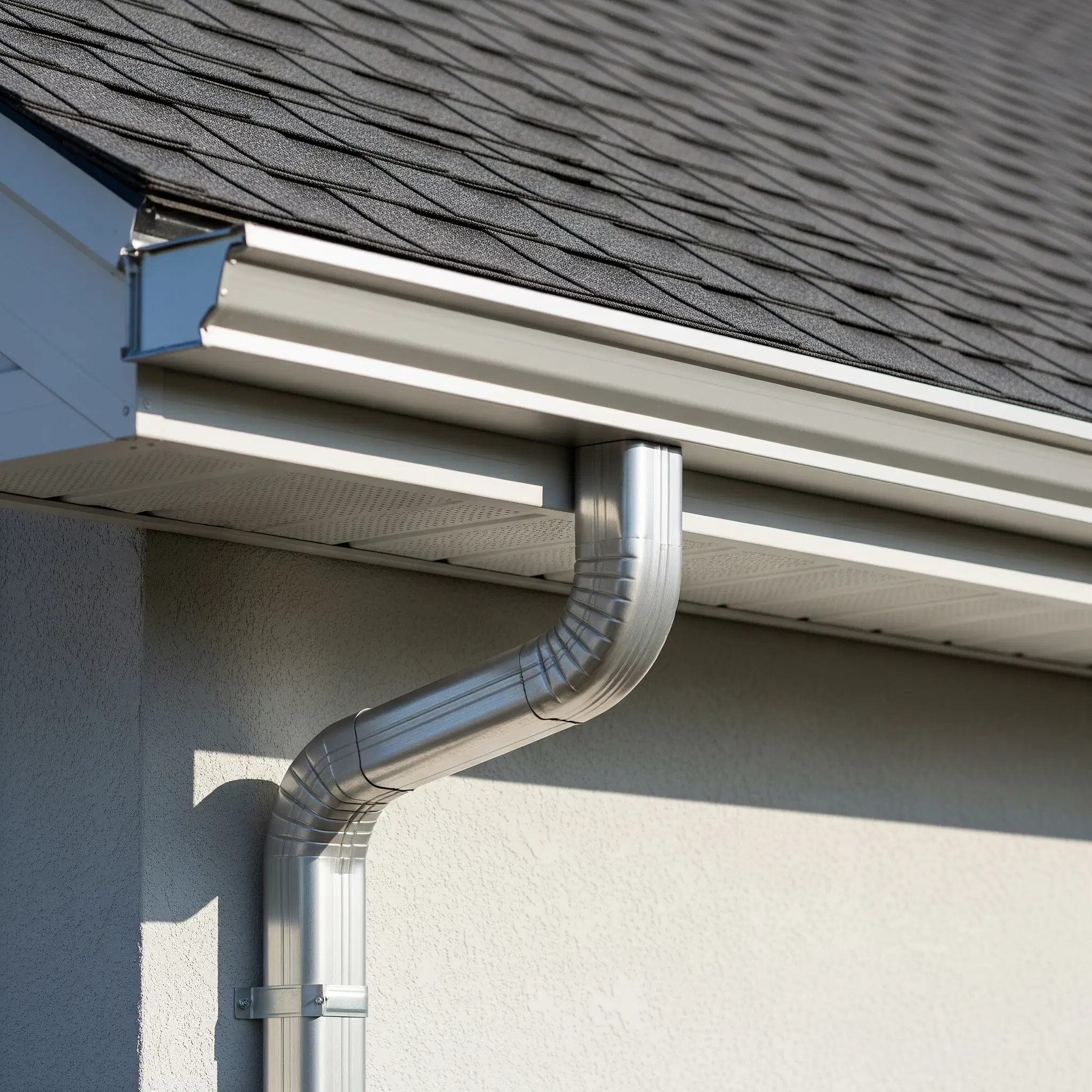
Don't Underestimate Your Gutters
Your eavestroughs and gutters are the unsung heroes of your roofing system. Their job is to safely channel thousands of litres of water away from your home's foundation and siding. After winter, they are often clogged with leaves, pine needles, and shingle granules that were trapped under the snow and ice.
When gutters are clogged, melting snow and spring rain have nowhere to go but over the edge, where water can pool around your foundation, or worse, back up under the roofline. This can lead to wood rot in your soffit and fascia boards. A professional gutter cleaning is one of the most cost-effective maintenance tasks you can perform to prevent widespread water damage and protect the structural integrity of your home.
Proactive Care: The Best Defence is a Good Offence
Discovering a leak during the first major spring rainstorm is a stressful and often expensive experience. The best way to avoid this is through proactive maintenance. Instead of reacting to problems, a planned approach allows you to catch and address small issues before they become catastrophic failures. This is where a dedicated maintenance plan can provide true peace of mind.
Our Roof Maintenance Plans are designed to keep your roof in optimal condition year-round. They include regular inspections, gutter cleaning, re-caulking of vulnerable seals, and addressing minor issues like loose shingles. By investing in preventative care, you not only extend the life of your roof but also prevent the need for unexpected and costly emergency roof repairs. It’s the smartest way to protect your biggest investment.
Secure Your Home This Spring with Eastside Roofing
The transition from winter to spring is the perfect time to give your roof the attention it deserves. A thorough inspection and timely maintenance can mean the difference between a worry-free season and a series of expensive problems. By checking for damaged shingles, ensuring your gutters are clear, and addressing any compromised seals, you can rest easy knowing your home is protected from spring storms.
If you have concerns about your roof's condition after the long winter, don't wait for a leak to tell you there's a problem. Contact the experts at Eastside Roofing Inc. today to schedule a comprehensive post-winter inspection for your Kitchener home. We're here to help you protect what matters most. Get in touch with us for a free, no-obligation quote!