
Don't Get Caught in the Rain: A Homeowner's Guide to Preparing Your Roof for Summer Storms
Summer in Kitchener brings welcome sunshine and warm weather, but it also brings the potential for intense summer storms. High winds, heavy downpours, and even hail can appear with little warning, putting your home’s primary line of defense—the roof—to the test. A roof that isn't prepared can quickly turn a summer shower into a major headache, leading to leaks, water damage, and costly repairs. Protecting your biggest investment starts with being proactive.
This guide will walk you through how to identify your roof's potential weak spots, what you can check for yourself, and why a professional inspection is the best way to ensure your home is ready to weather any storm. Taking a few preventative steps now can save you significant stress and expense later.
Understanding the Threat: How Storms Target Your Roof
Every summer storm is different, but they typically unleash a combination of three damaging elements: wind, rain, and hail. Understanding how each one affects your roofing system is the first step in knowing what to look for.
-
High Winds: Strong gusts can be incredibly destructive. They can get underneath the edges of shingles, lifting them up and weakening their seals. Over time, this can lead to curled or completely torn-off shingles, leaving the underlying roof deck exposed to the elements. Older or improperly installed shingles are particularly vulnerable.
-
Heavy Rain: The most obvious threat is water intrusion. A healthy roof is designed to shed water efficiently, but if there are any pre-existing issues—like a missing shingle, cracked flashing, or clogged gutters—torrential rain will find a way in. A small, unnoticed issue can become a significant leak during a downpour.
-
Hail: While less frequent, hail can cause serious damage. Hailstones can create dents or bruises on asphalt shingles, cracking their surface and dislodging the protective granules. This granule loss exposes the underlying asphalt to UV rays, which accelerates the aging process and drastically shortens the lifespan of your roof.
Your Pre-Storm Roof Checklist: A Safe Inspection from the Ground
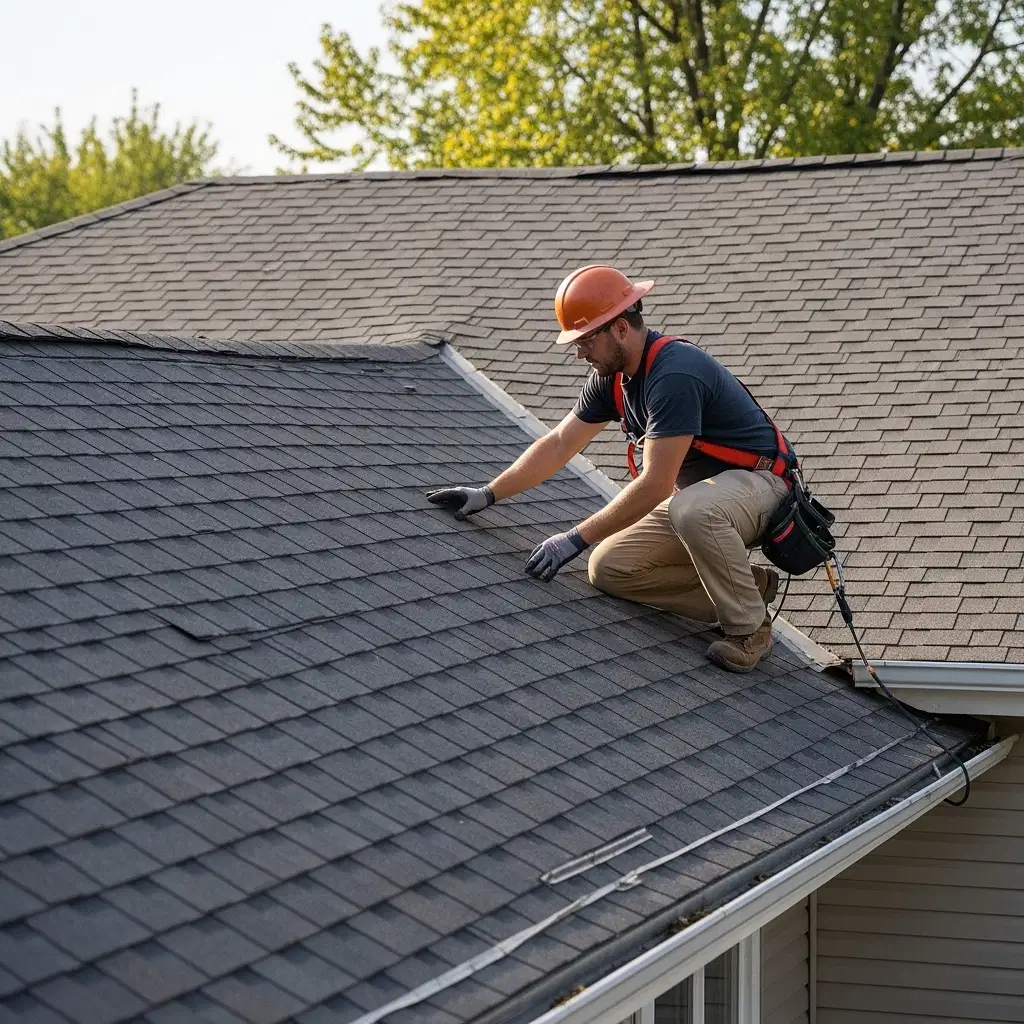
While we never recommend getting on your roof yourself, you can spot many potential trouble signs safely from the ground. Grab a pair of binoculars and take a walk around your property to perform this simple check:
-
Look for Damaged Shingles: Scan each section of your roof for shingles that are curling at the edges, cracked, or visibly missing. These are immediate red flags that your roof's integrity is compromised.
-
Check Your Gutters: Make sure your gutters and downspouts are clear of leaves, twigs, and other debris. Clogged gutters can cause rainwater to back up and seep under the edge of the roof, potentially rotting the wood sheathing. Also, look for an excessive amount of shingle granules in the gutters—this is a key sign that your shingles are aging and losing their protective layer.
-
Inspect Flashing and Seals: Look at the areas where your roof meets a wall, chimney, or skylight. The metal strips in these areas are called flashing. Check for any signs of rust, cracking in the sealant, or pieces that look loose or bent. These are common failure points for leaks.
-
Scan for Moss or Algae: While not an emergency, dark streaks or patches of moss can indicate trapped moisture, which can degrade shingles over time. It's something to keep an eye on and have professionally addressed.
When to Call the Professionals: The Value of an Expert Eye
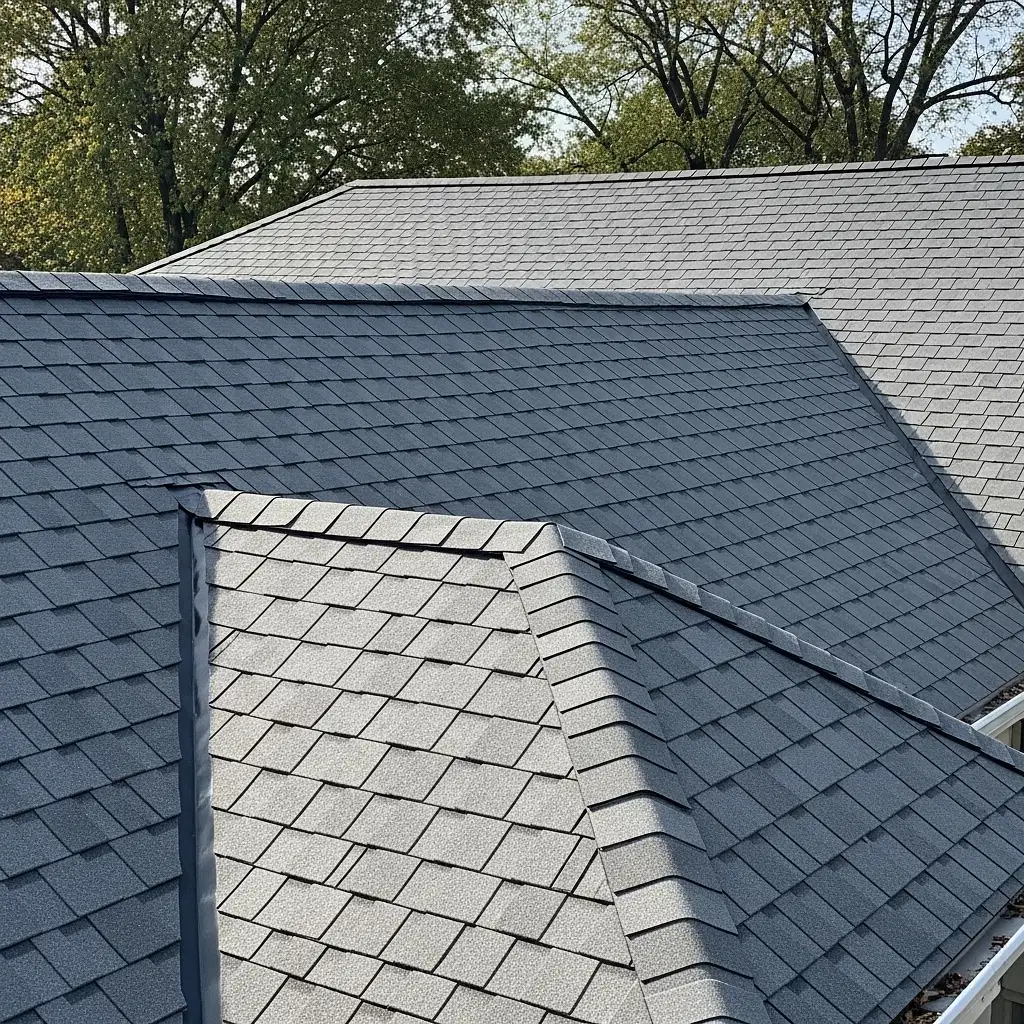
A visual check from the ground is a great start, but it can't replace a thorough, professional roof inspection. Our trained experts have the safety equipment and experience to get on your roof and identify subtle issues you can't see from below. We can spot things like hairline cracks in flashing, loosened seals around vents, and the early signs of hail damage that might not be obvious to the untrained eye.
A professional inspection provides peace of mind. By catching and addressing minor issues before a storm hits, you can prevent them from escalating into major problems. This proactive approach is the most effective way to protect your home and avoid the unexpected cost and disruption of an emergency repair.
After the Storm: What to Do If You Suspect Damage
Even with the best preparation, a severe storm can sometimes cause damage. If you suspect your roof has been hit, it's important to act quickly to prevent further issues.
First, prioritize safety. Do not climb on your roof, especially when it's wet or potentially unstable. Do a visual inspection from the ground and, if possible, check your attic for any signs of water stains or active leaks.
Next, document everything. Take clear photos of any visible damage from the ground. This will be essential if you need to file an insurance claim.
Finally, call a trusted roofing professional immediately. At Eastside Roofing Inc, we offer storm damage repair and emergency roof repair services to quickly assess the situation and implement a solution to protect your home from further water intrusion. A prompt response can make all the difference.
Protect Your Home This Summer with Eastside Roofing Inc
Your roof works hard to protect your family and your home, especially during the unpredictable summer storm season. Being proactive is the best strategy to ensure it's up to the task. By performing regular visual checks and investing in a professional inspection, you can face the summer with confidence.
If you have concerns about your roof's condition or want to ensure it's ready for whatever the weather brings, contact the team at Eastside Roofing Inc. We provide comprehensive inspections, reliable repairs, and proactive roof maintenance plans for homeowners throughout the Kitchener area. Schedule your free, no-obligation inspection today and let us help you keep your home safe and dry all season long.